
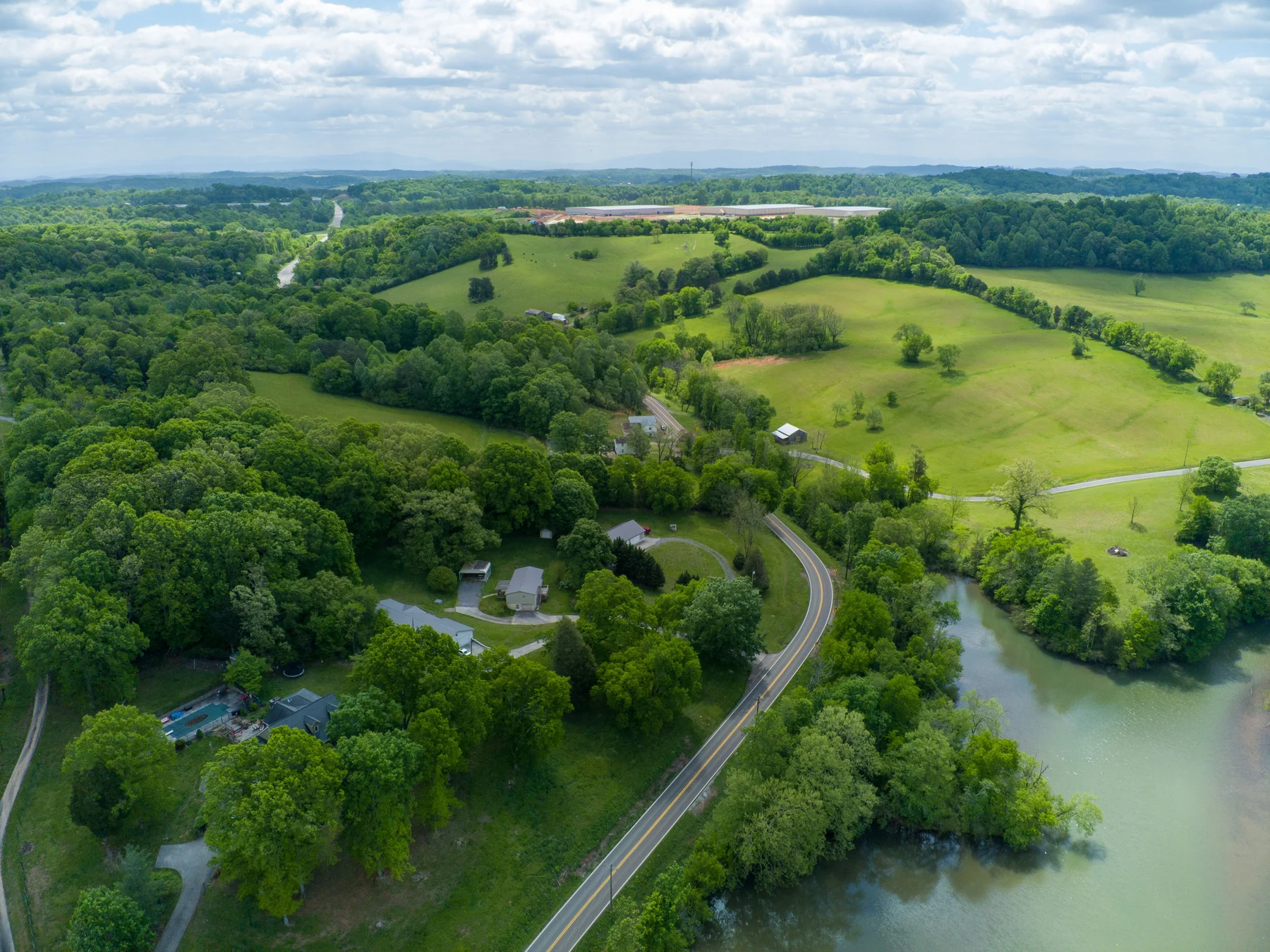
A route drawn during planning is an outline. Before using it, connect that outline with current road information, the destination’s actual access arrangements and the people making the journey. The useful question is not simply whether two places can be joined on a map. It is what you need to understand about this particular day.
Begin with the right addresses
Use the actual collection point, accommodation entrance or visitor arrival location. A general place name may lead to a town centre, a property boundary or a different entrance from the one you need. Look at the destination’s own instructions and keep the relevant address beside the plan. Where something is unclear, ask the organisation responsible.
Do the same for a stop along the way. An attractive photograph does not explain public access, parking or opening arrangements. Establish what visiting that place involves before treating it as part of a transfer day. Keep possible stops separate from confirmed reservations so they can remain optional.
Use the road authority’s current information
TxDOT’s DriveTexas information points travellers to its road-condition resource. Use the current official source for the area you intend to travel through and follow the instructions from the relevant authorities. A static editorial guide does not report live conditions or establish that a road is open, suitable or safe.
Check the date and context of information you have saved. A screenshot may be useful as a record of research, but it is not the same as a current update. If official information changes the journey, revisit the whole sequence: the destination, any reservation and the final arrival. Do not preserve the original schedule simply because it took time to make.
Ask the rental provider about the proposed use
The provider’s agreement governs the rental arrangement. If your plan raises a question about where or how the vehicle may be used, ask about that specific proposal. A scenic route featured in a tourism article does not establish permission under your agreement. Keep the response attached to the reservation and use the provider’s current instructions.
Bring questions about the actual vehicle, required equipment or support process to the responsible company. This publication does not infer permission from a vehicle category or offer technical driving instructions. The purpose of the planning note is to identify the question early enough to obtain the appropriate answer.
Look at the shape of the whole day
Include packing, meals, stops, arrival and settling in when reviewing a change of base. A map’s route estimate is only one element of that day. Think about the attention required by unfamiliar places and the preferences of everyone travelling. Avoid using every gap in the schedule as a reason to add another stop.
Choose which part of the day matters most. If the main purpose is a particular visit, consider whether it belongs on a day with fewer moving parts. If the purpose is simply reaching the next base, allow the transfer to remain a transfer. A less crowded outline can make the intended experience clearer.
Keep a shorter version available
List an optional stop as optional, with a clear point at which you would leave it out. Discuss that expectation with companions before the day begins. This can prevent a modest idea from becoming an obligation merely because it appeared in a shared itinerary. A change of plan should not require defending every earlier suggestion.
Keep the responsible contact information available if a reservation is affected. Ask the organisation what applies to the actual arrangement rather than assuming a general cancellation or change rule. A practical alternative must fit the current circumstances and the agreement, not simply look plausible on the map.
Finish with a usable note
Bring the route outline, the actual destination instructions and the relevant source links together. Record which details you still need to check near departure. Consider how to retrieve essential information if your normal connection is unavailable, without placing sensitive personal details into an unnecessarily broad shared document.
For the larger picture, return to planning a Texas trip with a rental car. For choosing the area itself, use the regional planning guide. A road plan is most useful when it supports a considered visit and remains responsive to the actual day.
Still comparing Checking The Road Plan Before A Texas Drive?
Ask for tour ideas, hotel suggestions, or a simple trip plan that combines both.